
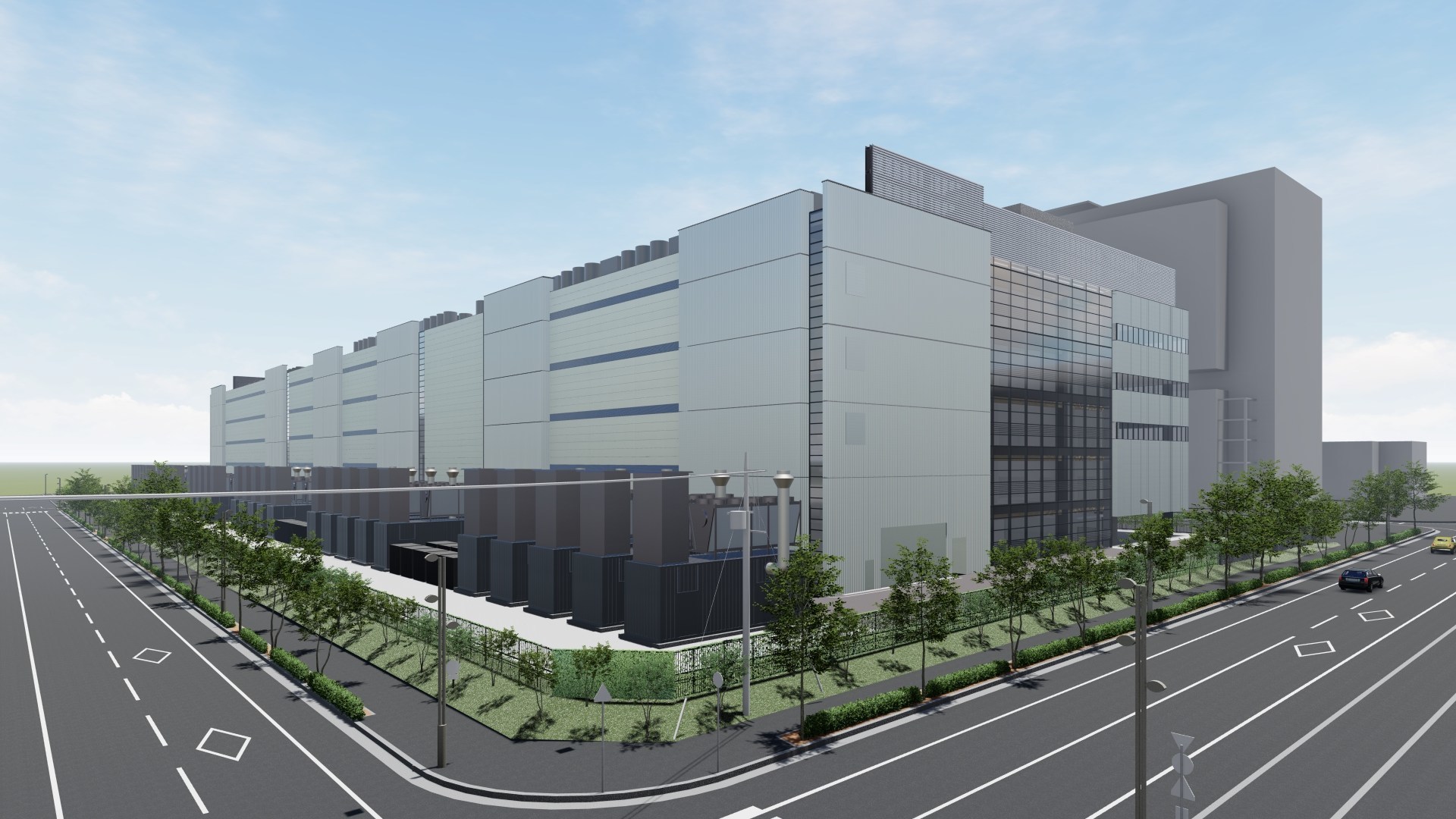
Data centres are the backbone of the digital economy, facilitating the storage, processing, and dissemination of vast amounts of data. The explosion of cloud computing, Internet of Things (IoT), and more recently, AI platforms, has spurred an unprecedented demand for data storage and processing facilities. This surge has not only transformed the technology landscape but has also had profound implications for the construction industry. In this article, we explore the fundamentals of data centre design, infrastructure requirements and more.
Background: A Brief History of Data Centres
Data centres are not new and can be traced back to the early days of computing, where large, room-sized computers required specialised environments for optimal operation. With the advent of personal computing and the internet in the late 20th century, the need for centralised data storage grew. However, the modern data centre as we know it began to take shape in the early 2000s, driven by the proliferation of web services, social media, and e-commerce.
How the Construction Industry is Adapting to the Data Centre Boom
Data Centre Design and Architecture
Modern data centres require specialised designs. Traditional building designs are often inadequate for data centres due to their unique needs. Crucially, data centres must accommodate heavy racks of servers, extensive cabling, and robust cooling systems. This has led to the development of new architectural practices focused on scalability, energy efficiency, and resilience.
Data centres also need to be built quickly to meet the exploding demand, which can be satisfied by the use of modular construction techniques. Prefabricated modules can be assembled off-site and then transported and installed on-site, significantly reducing construction time and costs. This approach also allows for easier scalability, as additional modules can be added as needed.
Infrastructure Requirements
Power Supply
Data centres require a constant and reliable electricity supply to ensure uninterrupted operations for the power-hungry servers inside. To meet this demand, developers are increasingly turning to on-site power generation facilities, such as solar panels and backup generators, to enhance reliability.
Cooling Systems
High performance cooling is another unique requirement of data centre design, and critical to prevent overheating of servers. Traditional HVAC systems are often insufficient, leading to the adoption of advanced cooling technologies such as liquid cooling, evaporative cooling, and hot/cold aisle containment.
These cooling requirements have prompted changes in building design to accommodate such systems to ensure data centres can run at peak efficiency. At Contrasol, we are increasingly being called upon to provide alternative cooling methods to offer shading, ventilation, heat reduction and acoustic benefits to data centres around the UK, Europe and North America to ensure cost-effective operations.
Construction Materials and Techniques
Sustainable Materials
Data centres, given their substantial energy consumption, have driven demand for environmentally friendly materials and energy-efficient building practices. Green building certifications like LEED (Leadership in Energy and Environmental Design) have become important benchmarks. High power and water consumption of data centres gives them a bad rap, but the industry has positively impacted worldwide energy usage. The technology industry makes the overall economy less energy intensive. For example, the paper industry is one of the most energy-intensive industries, and technology has reduced the overall reliance on paper. According to the American Council for an Energy Efficient Economy, for every kilowatt of energy consumed by the IT sector, 10 are saved in other sectors.
Advanced Construction Techniques
The complex requirements of data centre design have accelerated the adoption of advanced construction techniques such as Building Information Modelling (BIM). BIM enables detailed 3D coordination of architectural, structural, and MEP systems, improving accuracy in design and planning while supporting more efficient collaboration between stakeholders. A key benefit is clash detection, which helps identify and resolve conflicts between systems before construction begins, reducing rework, delays, and material waste on site.
What are the Economic and Environmental Impacts of Data Centre Construction?
Economic Impact
Job creation is a key benefit of data centre construction projects The boom in data centre construction has created numerous job opportunities in construction, engineering, and IT. The need for skilled labour in the design, construction, and maintenance of these facilities has led to a surge in employment in these sectors.
There can also be a benefit to the local economy around a data centre project: Data centres often require large tracts of land, leading to the development of previously underutilised areas. This development can boost local economies through increased property values, infrastructure development, and local business growth – in addition to the jobs that the data centre project creates directly.
Environmental Impact
Data centres are well-known for their high energy consumption, which is foecast to rise with the increasing power demands of AI. Sustainable, energy efficient design is therefore a necessity, to help maximise efficiency and reduce the environmental impact of the latest breed of power-hungry servers.
Sustainable data centre design is a key part of this, for example by maximising cooling system effectiveness, reducing building heat gain using louvres and brise soleil systems, as well as incorporating on-site renewable energy generation through solar panels and wind turbines.
The Future of Data Centre Construction
The rise of IoT and the need for low-latency processing are driving the development of edge data centres. These smaller facilities are located closer to end-users to reduce latency and improve performance. This trend will likely lead to a new wave of construction projects focused on smaller, more distributed data centre locations.
At the other end of the spectrum, the demand for massive data processing capabilities is driving the construction of hyperscale data centres. These facilities, typically built by tech giants like Google, Amazon, and Microsoft, are colossal in size and capacity, requiring innovative construction techniques and substantial investments.
Regardless of the size of a data centre, the push for sustainability will continue to influence the construction industry. Future data centres will likely incorporate more advanced renewable energy solutions, such as wind and solar power, along with more sophisticated cooling technologies to further reduce their environmental impact.
As the data centre industry continues to grow worldwide thanks to increasing demand for digital services and cloud computing, Contrasol are leaders in adding value to data centre projects through our range of solar shading and architectural facades. Learn more about our solar shading products
Discuss Your Data Center Project
Speak to Contrasol’s team to explore sustainable solutions and innovative design strategies that add lasting value to your next project.

