
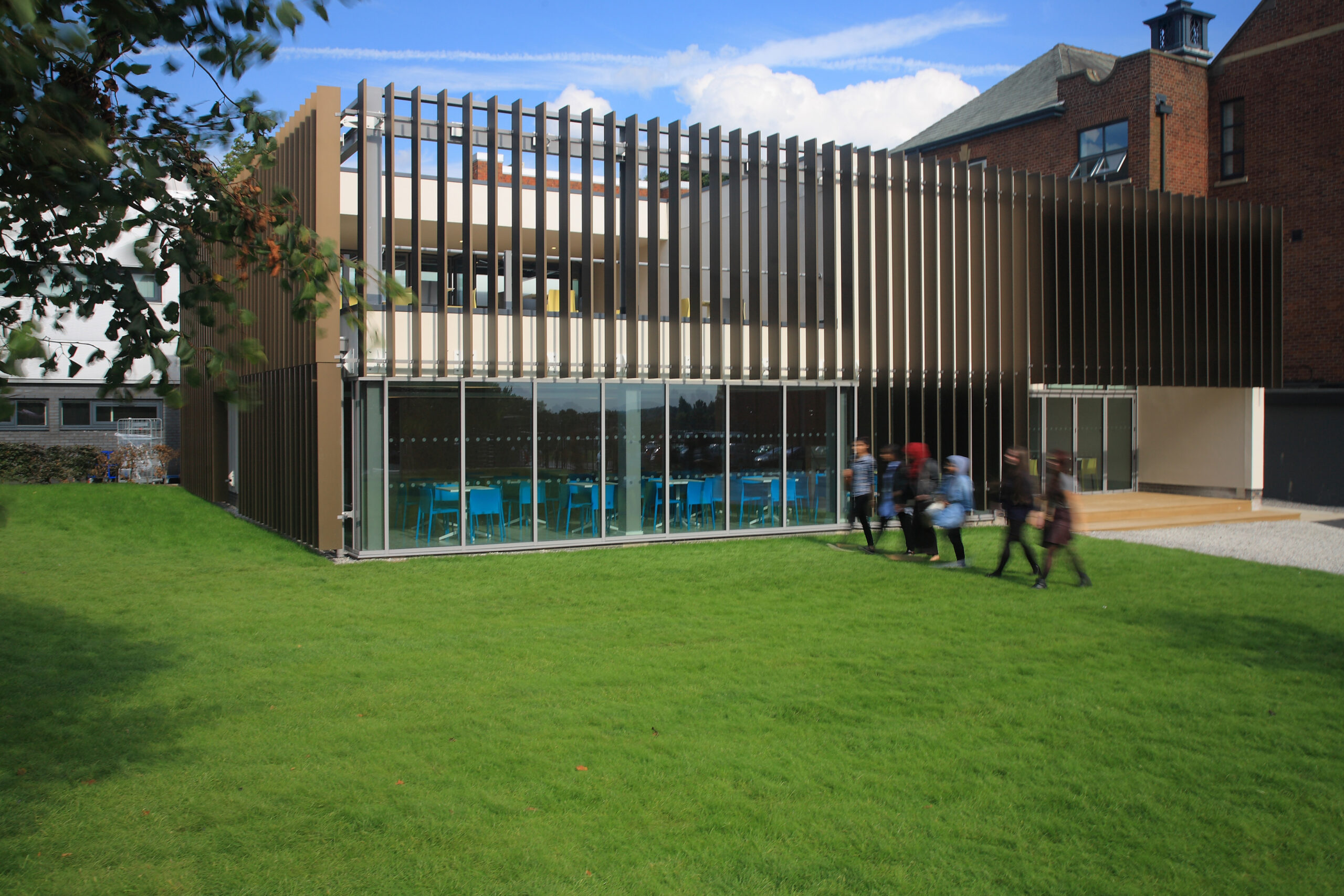
Sustainability in construction is more important than ever a, as companies and organisations in the sector aim to cut waste, reduce water usage, and use sustainable materials. The CIOB estimates that around 40% of carbon emissions come from the construction, maintenance and operation of buildings. This means the construction industry has a unique opportunity to play its part in creating a greener world, from improving supply chains to building energy-efficient projects.
What Is Sustainability in Construction?
Sustainability in the construction industry refers to designing, planning and building structures in ways that minimise environmental impact. This includes:
- Reducing carbon footprint
- Improving operational energy performance
- Protecting natural habitats and biodiversity
- Using recyclable materials or materials that support a circular economy
Why is Sustainability Important in Construction
The construction industry produces carbon emissions at every stage of a project. From sourcing and manufacturing materials to transporting, installation and ongoing building performance. Adopting more environmentally friendly practices, helps organisation to:
- Lower embodied and operational carbon emissions
- Reduce waste and resource use
- Meet regulatory requirements
- Support global net-zero initiatives
How To Achieve Sustainability in Construction
Improving sustainability in construction requires a ‘whole life’ approach. Here are some effect ways to increase sustainability in the construction industry.
Make Supply Chains Greener
Sustainability doesn’t just start with building a project: supply chains have a significant impact on embodied carbon, material waste and transport emissions. You can make your supply chain more sustainable in a variety of ways:
Use Energy-Efficient Transport
Many materials for construction are transported from overseas, and depending on the mode of transport and the distance travelled, this can cause carbon emission to skyrocket. If possible, source your materials from local suppliers to reduce the distance they must travel. However, if the materials must travel long distances overseas, transition to electric vehicles or hybrid modes of transport to reduce emissions as much as possible.
Make Logistics More Efficient
Even if the realities of switching to electric vehicles or sourcing material from a local provider are out of your reach, you can also make a change by planning routes that take less time or that use less fuel. Where possible, try to combine several loads of materials to deliver materials in fewer trips.
Choose Low Carbon and Recycled Materials
Not all building materials are created equal, and that applies to their environmental impact and energy efficiency as well as their price and suitability for a project. You can also make use of recycled materials to reduce emissions, such as:
- Glass
- Steel
- Aluminium
- Copper
- Wood
By using pre-loved materials, you help to contribute to a circular economy, reducing demand and, with that, the impact on the planet.
Avoid Synthetic Materials
These are any material that does not occur in nature and must be manufactured. This includes plastics, concrete, composites, and vinyl. These materials are especially harmful for the environment as they contain pollutants or materials that cannot decompose or be recycled, such as microplastics. These ‘forever chemicals’ then go on to pollute the soil, rivers and oceans.
Contribute to Energy-Efficient Buildings
A great way to make your construction business more sustainable is to offer your services to green projects, and a common way to do that is by building energy-efficient buildings.
One of the most widely recognised approaches is the Passivhaus (Passive House) standard. Developed over 30 years ago, it is considered one of the most rigorous global benchmarks for energy efficiency. Buildings that meet Passivhaus standards are designed to achieve:
- Exceptional insulation to prevent heat loss
- Airtightness to minimise uncontrolled energy leakage
- Optimised ventilation systems that maintain fresh indoor air
- Reduced reliance on traditional heating and cooling systems
- Year-round comfort with dramatically lower energy bills
Alongside Passivhaus design principles, other measures can also support energy efficiency, such as installing renewable energy sources (e.g. solar panels), integrating natural shading and high-performance sun screening systems, and including green spaces to enhance biodiversity and thermal regulation.
By adopting these strategies, the construction industry can move towards delivering buildings that are not only sustainable but also net-zero ready, resilient, and future-proof.
Protect Natural Habitats and Local Biodiversity
When planning construction, be mindful of protected or vulnerable environments and ecosystems when deciding where to build. The expanding built environment is responsible for the destruction of vital ecosystems, including meadows, hedgerows, woodlands, rivers and lakes. This has knock-on effects for resident wildlife that make an important contribution to the local ecosystem.
Once you have begun building on a site, you can avoid disturbing the local wildlife by reducing light pollution, ground disruption and noise, as well as protecting nearby habitats from inadvertent damage.
Contact Contrasol
Planning a new building project? Find out about sustainability at Contrasol, or contact us to find out how we help you with your next sustainable build.
FAQs
What are the biggest barriers to sustainable construction?
Common barriers include cost perception, supply chain availability, material shortages, limited knowledge and inconsistent or undefined policy requirements.
What is embodied carbon in construction?
Embodied carbon refers to the emissions produced during the extraction, manufacturing, transport and installation of building materials. Reducing embodied carbon is a key step in improving sustainability in the construction industry.
What is operational carbon in construction?
Operational carbon is the emissions produced from heating, cooling, lighting and running a building. Improving energy efficiency supports reducing operational carbon emissions over time.
How does lifecycle assessment support sustainable construction?
A lifecycle assessment evaluates a building’s environmental impact from design to deconstruction/demolition. This helps project teams choose materials, designs and construction methods that reduce ‘whole-life’ carbon.
Does sustainable construction need to be certified?
Yes, there are common, industry recognised certifications. These include BREEAM, LEED, WELL and Passivhaus.
Are sustainable buildings more expensive to build?
Upfront costs may be higher depending on materials and design, but sustainable buildings typically deliver long-term savings through reduced energy use and better performance.

